
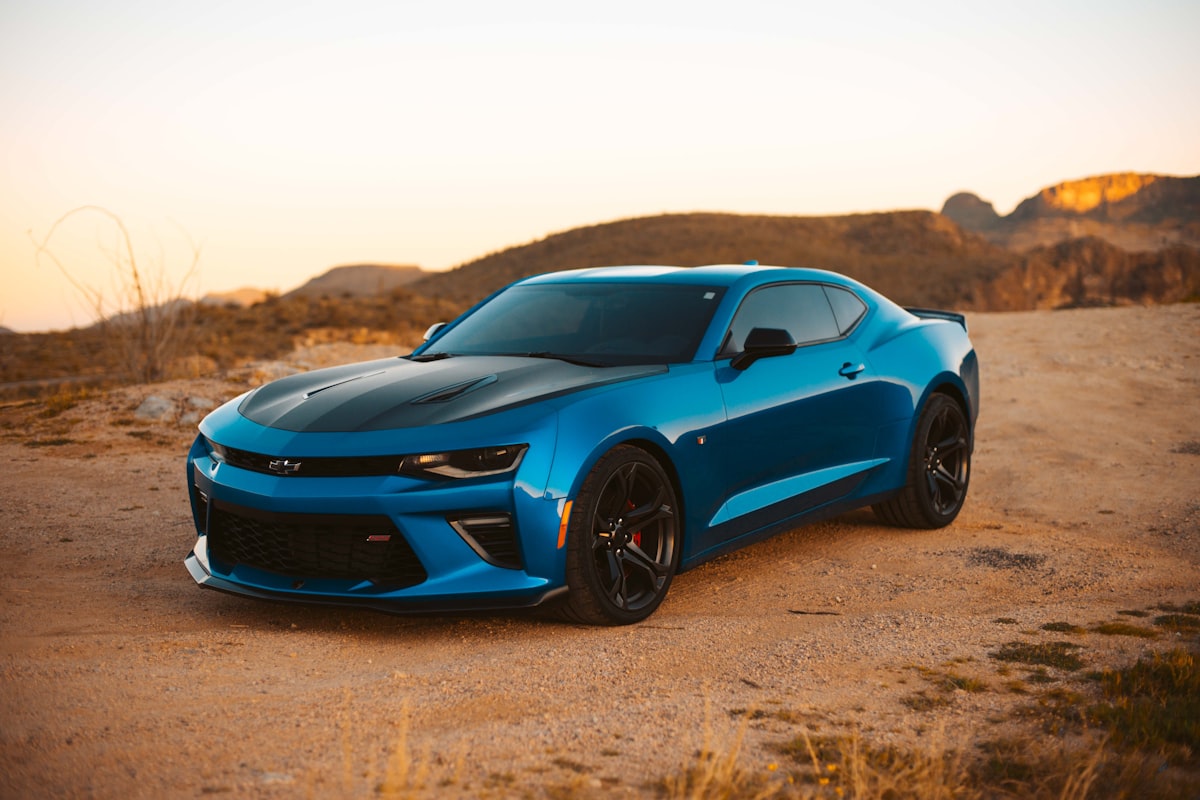
TPU vs PVC: Key Differences
Material Properties: TPU offers excellent elasticity with elongation at break exceeding 400%
PVC is rigid with limited stretch
Flexibility: TPU conforms easily to complex curves
PVC requires heat for shaping and may lift on edges
Durability: TPU resists yellowing, cracking, and chemical damage
PVC degrades faster under UV exposure
Environmental: TPU is recyclable
PVC produces hazardous byproducts when incinerated.
How to Choose the Right Car Wrap?
Check the Material: Always prefer TPU for long-term clarity and protection
Consider Your Market: Middle East buyers prioritize heat stability
European buyers focus on optical clarity and certifications
Evaluate Cost vs
Value: TPU costs more upfront but saves on replacement
PVC is suitable for short-term applications (shows, rentals).
Conclusion
For long-term value, TPU is the clear winner despite higher initial cost
Wansen New Material, as a trusted TPU car wrap factory in China, specializes exclusively in TPU PPF for long-term paint protection
Contact us for technical specifications and export pricing.
Interested in Wansen PPF Products?
Contact Yilin Bian directly for pricing, samples, and partnership terms.
WhatsApp: +1 702 273 0123